
1-530-636-0360
App Login
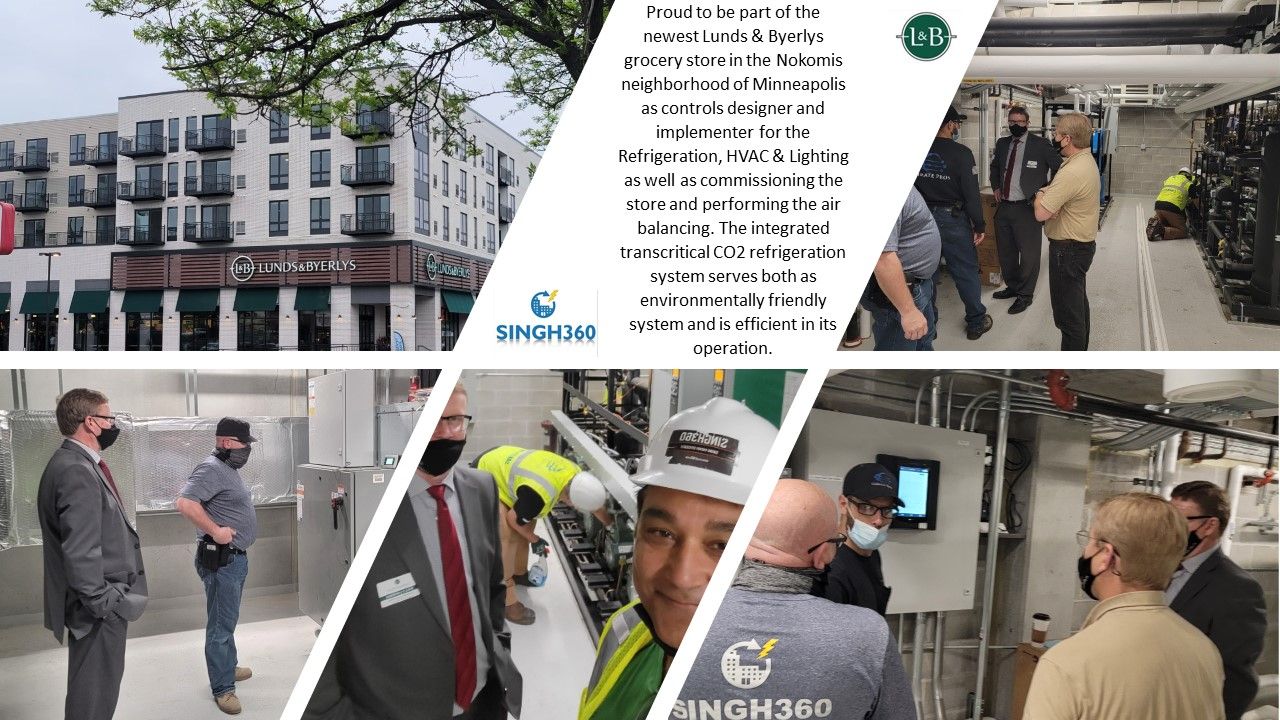
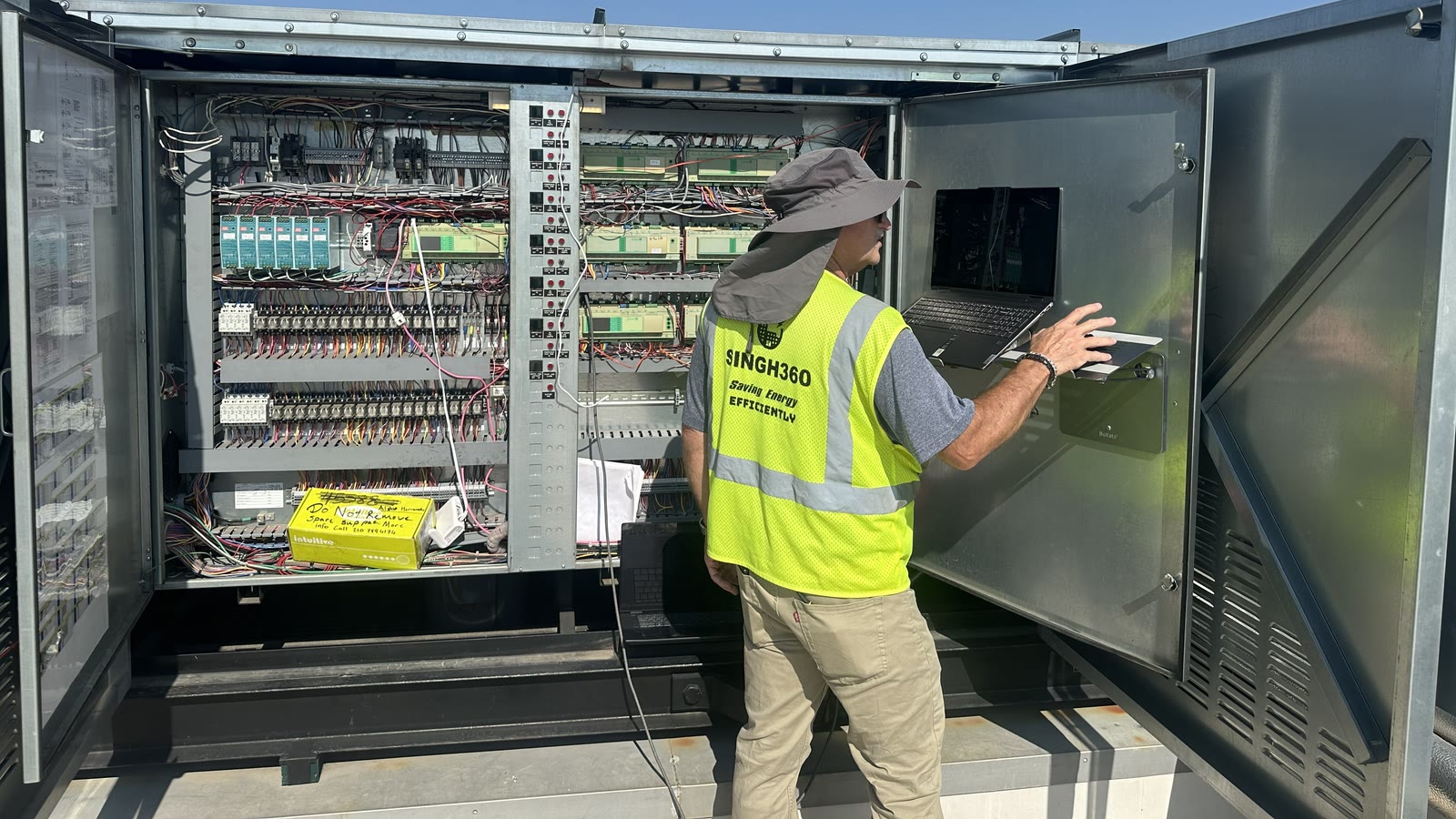
Singh360 technician working at a full-store controls installation

Whole-facility delivery

Full-Store Systems Design & Installation

Whole-facility systems design and installation connecting refrigeration, HVAC, EMS/BMS controls, lighting, metering, electrical interfaces, networks, field panels, and commissioning through verified turnover.

Talk with Singh360

The operating problem

Start with what is actually happening.

Store systems are often designed, purchased, installed, programmed, and started by separate teams. Without one coordinated design-and-installation path, interfaces are missed, field changes go undocumented, and the owner inherits systems that do not operate as one facility.

See the Singh360 method

What Singh360 does

  • Develop whole-store system architecture, field-installation drawings, equipment schedules, sequences, I/O, and control-panel requirements
  • Coordinate refrigeration, HVAC, EMS/BMS controls, lighting, metering, electrical interfaces, networks, and connected equipment
  • Prepare bills of material, panel packages, responsibilities, installation scope, and field-ready documentation
  • Install and integrate the defined controls and facility-system scope, coordinating related trades and site conditions
  • Commission the completed installation, resolve issues, and deliver verified turnover records

What to expect

A defined path from scope to verified operation.

One accountable delivery path carries the store from coordinated system design and field installation through programming, functional testing, issue resolution, and verified operational turnover.

  1. 01

    Design the whole system

    Define the architecture, equipment, assemblies, sequences, points, networks, panels, interfaces, maintainability, and acceptance requirements before procurement and field work.

  2. 02

    Build and install the scope

    Translate the approved design into field-installation drawings, equipment and I/O schedules, panel packages, bills of material, responsibility assignments, and coordinated site work.

  3. 03

    Start, test, and turn over

    Program and start the systems, test integrated modes, track and correct field issues, retest the completed work, and provide operations with usable final records.

Typical deliverables

Work products teams can use.

Final scope and format are set for the project. These are the core records that make the work assignable, reviewable, and useful after the engagement.

Whole-store design package

System architecture, field-installation drawings, sequences, equipment schedules, I/O, networks, controls, and interface requirements.

Installation and panel package

Control assemblies, panel requirements, bills of material, field connections, responsibilities, installation scope, and open clarifications.

Coordinated field installation

Installed and integrated controls and facility-system scope, coordinated with refrigeration, HVAC, lighting, electrical, network, and other responsible trades.

Commissioned turnover package

Final drawings, settings, test evidence, issue history, training and documentation status, unresolved conditions, and clear ownership.

Verification standard

The work is not finished when the report is issued.

Installed equipment, panels, wiring, points, networks, and programming match the approved design

Refrigeration, HVAC, lighting, metering, and controls operate as an integrated store system

Field changes, open items, responsibilities, and final dispositions remain traceable

Operations receives usable drawings, settings, test evidence, and an actionable turnover record

Field and project evidence

Design the whole store—not only the controls layer.

Full-store delivery coordinates the systems, equipment, panels, electrical interfaces, networks, field installation, commissioning, and turnover. EMS/BMS architecture is one critical layer inside that larger project scope.

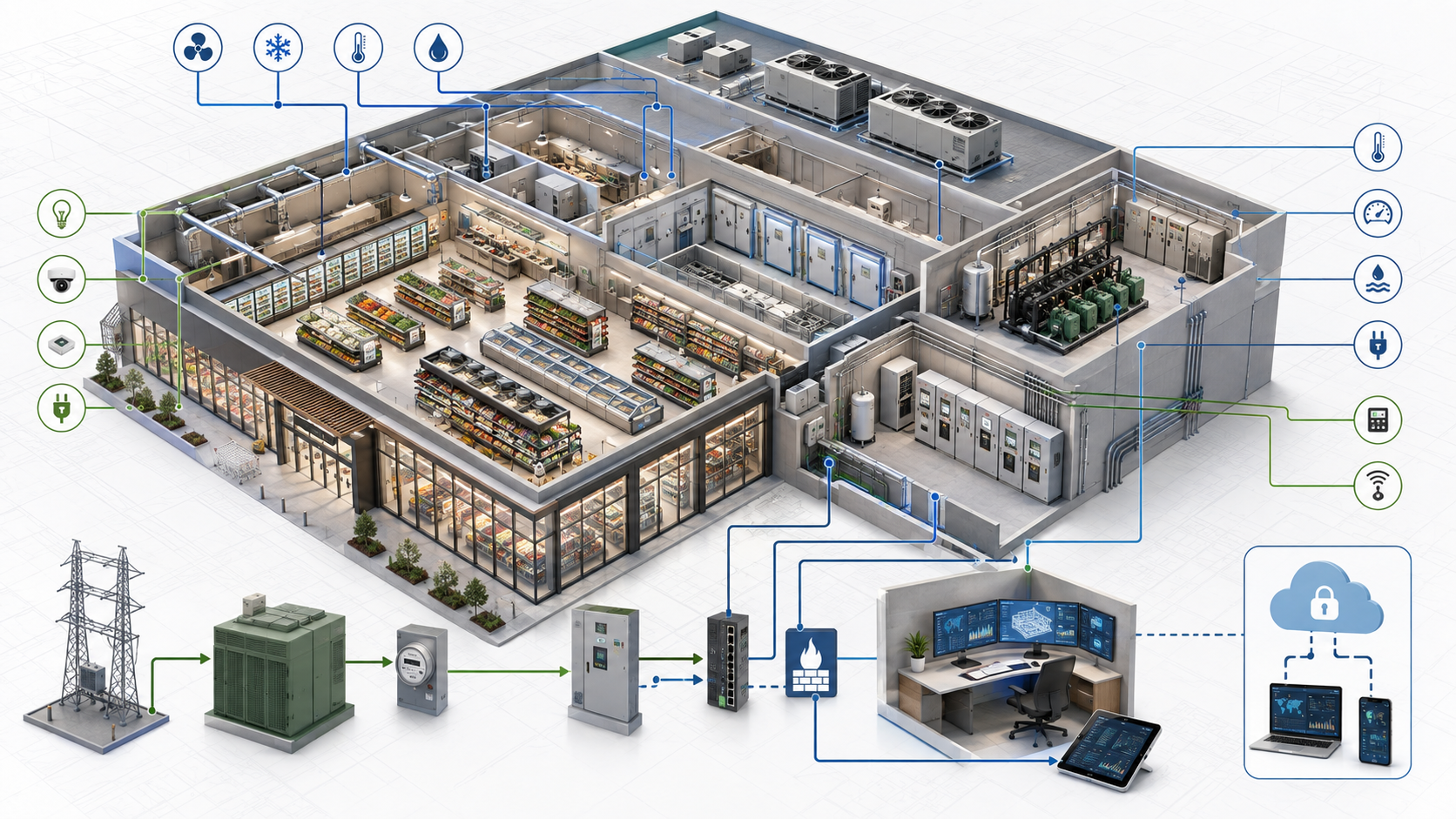
Modern manufacturer-neutral grocery store EMS architecture integrating refrigeration, HVAC, lighting, electrical, controls, sensing, networks, operator tools, and remote analytics
The whole-store architecture coordinates refrigeration, HVAC, lighting, power, field controls, sensing, operator access, and secure remote analytics before equipment is installed.
Singh360 technician working at a full-store controls installation
Field installation ties the approved architecture and panel scope to the actual equipment, wiring, networks, and site conditions.
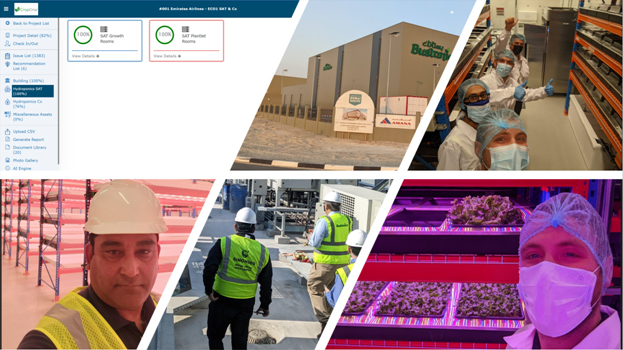
Commissioning deficiency log used to track construction issues
The issue record carries observations, contractor responses, status, and retest evidence through turnover.

Related project and technical evidence

Read the work behind the service.

Discuss full-store systems design & installation.

Start with the site, system, project, or recurring condition. Singh360 can help define the evidence, scope, responsible parties, and path to verified operation.

Talk with Singh360